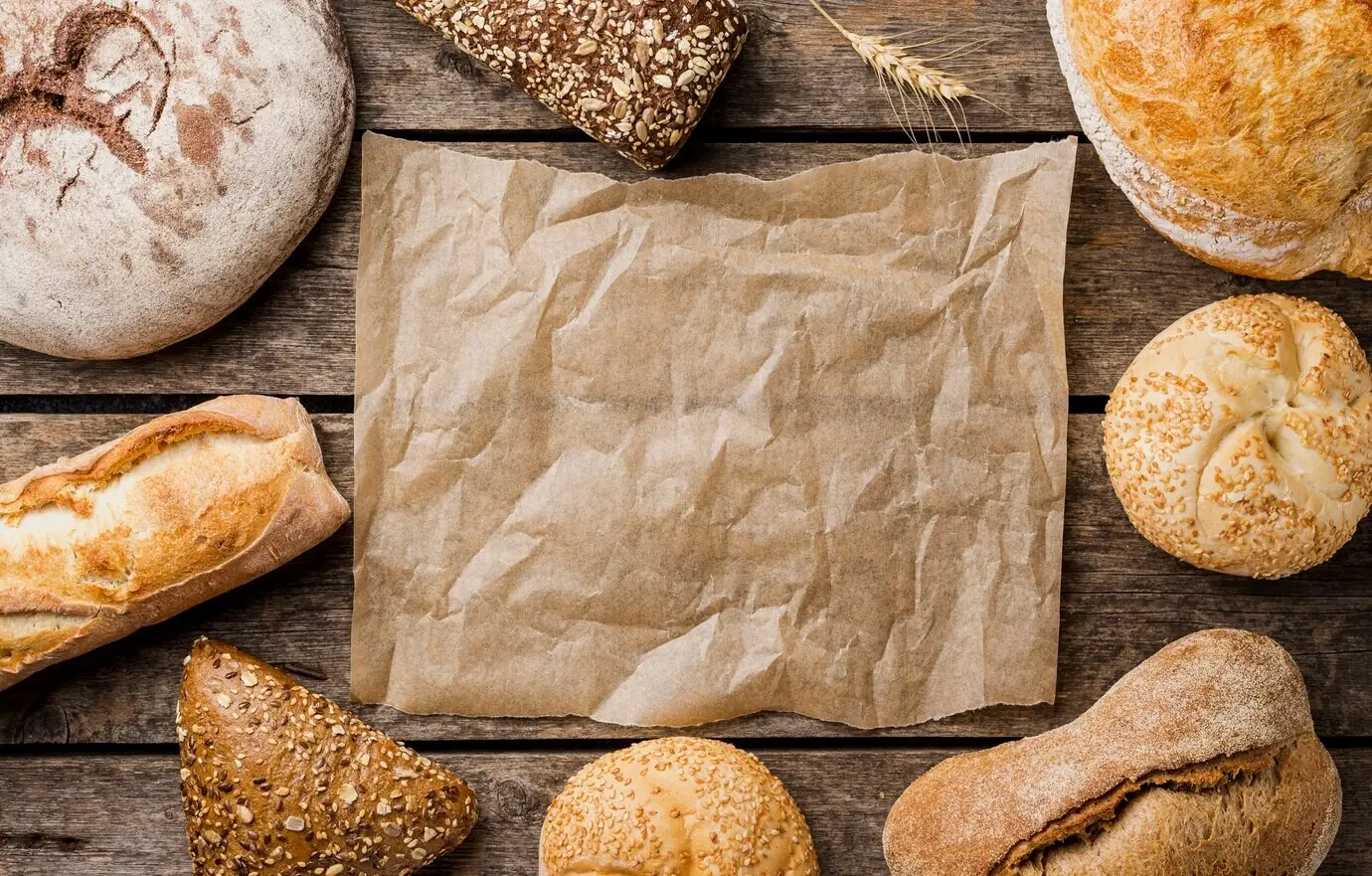
Skillet and Tawa Breads: Stovetop Techniques for Flatbreads and Pan Pizzas
Fire up your favorite pan and join us as we explore Skillet and Tawa Breads: Stovetop Techniques for Flatbreads and Pan Pizzas, celebrating blistered edges, airy pockets, and confident heat control. From quick weeknight rotis to bubbling pan pizzas, discover science-backed guidance, lived stories, and practical steps that turn simple dough into irresistible, griddle-kissed magic right on your stovetop, no oven required.

Preheating with Purpose

A proper preheat is the quiet hero. Sprinkle a few water droplets; they should skitter and vanish within seconds. Hold your palm above the pan and feel radiant heat without discomfort. Maintain medium-high steadiness, then adjust after the first bread’s feedback. That early discipline prevents sluggish cooking, pale sides, and rubbery textures while building repeatable, delicious results every single time.

Choosing the Right Surface

Cast iron builds deep color and that unforgettable, faintly smoky aroma, while carbon steel tames changes in burner output. Nonstick can help beginners but dislikes aggressive heat and metal tools. A slightly convex tawa sheds steam efficiently, encouraging tender puffing. Match the surface to your style: rapid tortillas, pillowy chapatis, or sturdy pan pizza crusts needing confident, evenly distributed heat.

Dough Fundamentals That Behave on the Fire

The Dance of Puff, Char, and Tenderness
Flatbreads come alive when heat, timing, and touch work together. Gentle pressure encourages interior steam to form a balloon; quick flips lock layers; tiny blisters add smoky sweetness. A cloth press, a swipe of ghee, or a brush of olive oil shapes personality. Understanding how dough responds in those decisive seconds defines texture, aroma, and the joy of each bite.

Encouraging Full Ballooning

Roll evenly, avoid deep flour streaks, and lay the round confidently on hot metal. After the first signs of bubbling, flip to trap heat, then press the edges gently with a towel to chase puff toward the center. If it refuses to balloon, increase heat slightly next time, rest dough longer, or roll more uniformly to guide steam into one satisfying, dramatic lift.

Controlled Blister and Char

Those tiny leopard spots taste like toasted sugar and nutty wheat. Too many, however, signal scorching. Keep the pan properly preheated yet not raging, and limit oil if you want dry char. For tortillas, brief contact with direct heat builds complexity. For softer rounds, flip sooner and shorten the final side. Aim for contrast: caramel kisses outside, tenderness protected within.

Fat-Layered Laminations

Parathas, piadinas, and other layered breads owe their flake to strategic fat. Smear ghee or oil between folds, coil, rest, and roll gently to preserve striations. Cook over medium heat so layers separate slowly and crisp without burning. Finish with a brush of warm fat and a pinch of flaky salt. The crackle you hear promises tender interiors and audibly joyful bites.

Pan Pizza, Crisped Beneath a Lid

No oven? No problem. Build a pan pizza with confident stovetop control: gentle fermentation for character, an oiled skillet for contact crunch, and a lid to melt cheese into creamy blankets. A quick neighborhood blackout once pushed me to try this method; the bubbling edges, garlic-scented steam, and triumphant first slice convinced everyone that stovetop pizza can absolutely thrill.

Stovetop Crust Method, Step by Step

Stretch a relaxed dough in a lightly oiled, preheated skillet. Let bubbles form and edges set, then lower heat. Add sauce sparingly to avoid sogginess. Sprinkle low-moisture cheese, cover to trap heat, and cook until the underside crisps. Vent briefly, uncover, and finish with a minute of direct contact. Rest on a rack for steam escape, then slice while still singing.

Cheese Melt, Sauce Simmer, and Cover

Choose drier, low-moisture mozzarella for dependable stretch, supported by sharper cheeses grated fine for even melting. Warm your sauce separately or spoon it thinly to prevent a soggy center. The covered phase should be brief and purposeful, just enough to melt and steam-bake the top. Uncover to reclaim crunch, then finish with olive oil, cracked pepper, and fragrant herbs.

Finishing Moves for Crunch and Lift

After cooking, lift the pizza onto a wire rack so escaping steam does not soften that hard-won crust. Brush the edges with garlicky oil for sheen and snap. A sprinkle of flaky salt, lemon zest, or chili flakes awakens richness. Bright greens like arugula or basil belong after the heat, adding crisp freshness without wilting into heavy dampness.

World Tour of Griddle Classics

From Chapati to Laffa

Chapati loves even rolling, a hot surface, and a confident flip; laffa appreciates slightly higher hydration for luxurious chew. Pita can puff spectacularly on a well-preheated pan if the dough is uniform and properly rested. Bazlama’s yogurt gives tenderness and browning potential. Learning their quirks deepens intuition, so new breads become welcoming, familiar territory instead of nerve-wracking first attempts.

Corn, Chickpea, and Ancient Grains

Masa harina tortillas thrive on warm water and a confident press, sizzling briefly for supple flexibility. Chickpea flour turns into a peppery, lacy socca that loves high heat and a generous slick of oil. Spelt and einkorn bring rustic aroma yet need patience, shorter mixing, and longer rests. Blending small percentages into wheat dough adds personality without sacrificing reliability during stovetop cooking.

Street Carts, Home Kitchens, Shared Joy

A Delhi vendor flipped breads with a practiced flick that seemed like magic, but he credited patience and a respectful flame. My neighbor’s grandmother pressed tortillas while telling jokes, timing flips to punchlines. Try this at home: cook, taste, and share a story in the comments. Your memories, quick tips, and favorite fillings help this community learn faster and cook happier.

Toppings, Oils, and Finishes That Sing
Elevate every round with fragrant oils, crunchy seeds, and bright herbs. Temper spices in ghee for a nutty bloom, or whisk za’atar into olive oil for green sparkle. For pan pizza, layer thoughtfully: drier cheese beneath, delicate vegetables later. Finish with lemon, pickled chilies, or torn basil. Your hands become the final instrument, conducting heat-softened textures into balanced, lively flavor.

Care, Safety, and Troubleshooting

A calm, safe kitchen turns practice into progress. Season cast iron to prevent sticking, use oils with appropriate smoke points, and keep ventilation ready for high-heat sessions. If breads tear, rest the dough longer. If they refuse to puff, raise heat slightly or roll more evenly. When frustration appears, share details with us, and we will troubleshoot together cheerfully.
Farikiraxari
Privacy Overview

This website uses cookies so that we can provide you with the best user experience possible. Cookie information is stored in your browser and performs functions such as recognising you when you return to our website and helping our team to understand which sections of the website you find most interesting and useful.