
Steady Flames, Perfect Pans: Consistent Stovetop Bakes
Today we focus on heat control and flame management for consistent stovetop bakes, turning unpredictable burners into trusted partners. Discover how flame height, pan material, preheating, and gentle steam create repeatable, bakery-level textures without an oven. Expect clear cues, practical adjustments, and small rituals that transform flatbreads, skillet cakes, and pan pizzas into reliably golden, evenly set wonders, even on fussy gas rings or induction zones. Bring a curious mind, a patient hand, and a lid that fits.
Conduction, Convection, and the Quiet Role of Radiant Heat
Heat crawls from flame into metal, then glides into dough, while trapped air and steam circulate delicate warmth above. A lid concentrates that movement, imitating an oven’s calm. Recognizing these pathways helps you adjust timing, flame intensity, and rotation, preventing burnt bottoms and pale tops. Think of the pan as the road, the air as the weather, and your lid as a friendly sky.
Why Metal Matters: Thickness, Finish, and Retention
Thicker pans buffer sudden surges, smoothing erratic burners and protecting tender crumbs. Matte, seasoned surfaces release moisture differently than polished steel, affecting browning and sticking. Cast iron’s thermal mass rewards patient preheating; hard-anodized aluminum distributes heat quickly across wider zones. Choose the pan that complements your burner, then let its strengths guide your preheat length, flame size, and lid use for beautifully even bakes every time.
Lids, Moisture, and Simulated Top Heat
Covering traps steam that gently warms surfaces the flame cannot reach, coaxing even rise and velvety crumbs. A glass lid reveals condensation behavior; a heavy lid stores heat for steadier tops. Crack the lid to vent excess moisture when crusts threaten to soften. Finding that balance between steamy lift and dry finish separates mediocre stovetop bakes from irresistibly tender, golden results served proudly and repeated confidently.
Dialing In the Burner
Your flame is both paintbrush and metronome. A clean, blue flame signals efficient heat; tall yellow tips hint at soot and uneven burning. Match burner diameter to pan base to avoid scorching rings and undercooked centers. Gas needs visual cues; induction demands power steps; coils respond slower but hold steady once settled. By aligning flame shape, size, and position with cookware, you build predictable energy that respects delicate batters and sturdy doughs equally.
Preheat with Purpose
Preheating is the promise you make to consistency. Gentle, patient warming saturates metal so the first pour cooks like the last slice. Test surfaces with a droplet skitter, a dusting of flour browning slowly, or an infrared reading that matches your chosen target. Then pause, reduce slightly, and let heat stabilize. Those extra moments save batches, steady crust color, and shift stovetop baking from guesswork to a dependable, delicious routine you trust completely.
Skillet Pizza and Pan Breads Without Scorch
Preheat a heavy pan until flour toasts pale gold, then reduce. Add dough, cover briefly to puff the rim, uncover to dry the surface, and finish with moderate heat. Rotate often, listening for a steady, satisfied sizzle. If cheese melts before the bottom colors, lift gently on a rack over the pan’s residual heat. The result: crackling edges, airy crumb, and a base that tastes boldly baked, never bitter.
Tender Stovetop Cakes With Confident Tops
Use a diffuser, low flame, and a well-fitting lid to surround the batter with patient warmth. Resist peeking for the first several minutes so steam can lift the crumb. When condensation forms, briefly vent, wipe the lid, and continue gently. Test with a skewer near the center, not the edge. If darkness approaches too soon, slide to a cooler burner. Expect slices that hold together yet melt fondly on the tongue.
Creating Gentle Top Heat With Controlled Moisture
Introduce a teaspoon of water at the pan’s edge only after reducing flame, then cover quickly to harness soft, even warmth. Alternatively, preheat a heavy lid to store radiant energy. Either way, combine micro-steam with modest metal heat to set surfaces gradually. Watch for fog to thin and aromas to sweeten, signs that moisture and temperature have partnered perfectly to deliver lift without sogginess or stubbornly pale finishes.
Keeping Crusts Crisp, Not Damp
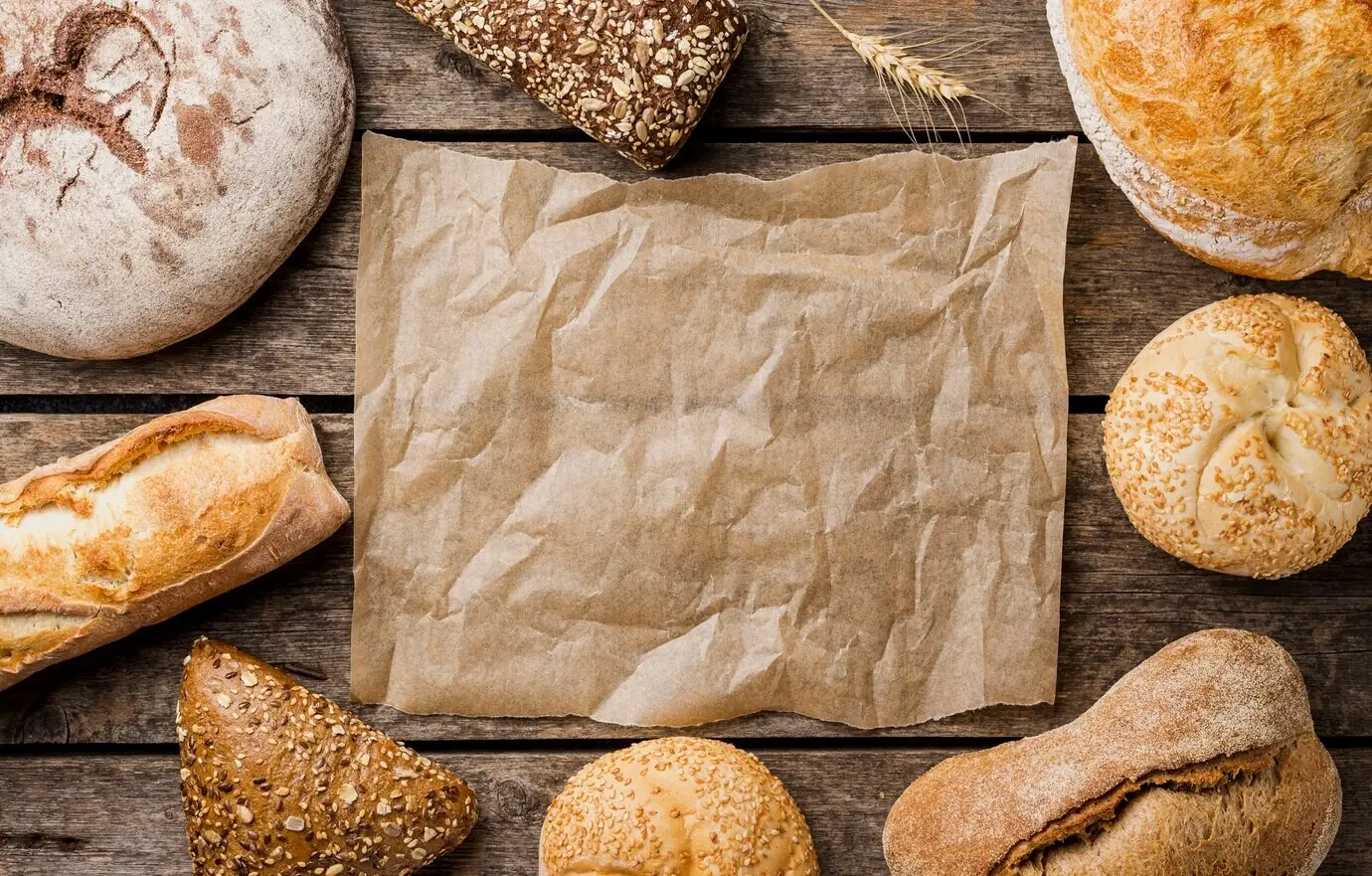
When beads collect under the lid, tilt briefly away from the bake, wipe, and return it slightly ajar. This tiny vent prevents water from raining on delicate tops. Finish uncovered over gentle heat to drive off lingering moisture. If softness persists, rest the bake on a rack, never a plate, so steam escapes evenly. Texture brightens, edges regain confidence, and your final bite snaps delicately before yielding to tenderness.
Recovering Gracefully From Too Much Steam
If condensation drenches the surface, do not panic. Lift the lid, blot the top with a clean towel, reduce the flame, and finish uncovered over a diffuser. Rotate to re-dry evenly. A brief rest on a rack revives crusts remarkably well. Mistakes become lessons, teaching how little adjustments, like narrower lid cracks or shorter covered intervals, preserve that elusive balance between gentle rise and crisp, proud exterior.
Live Diagnostics While You Cook
Great stovetop bakers listen with eyes, noses, and fingertips. Smoky notes warn of haste; a nutty whisper celebrates perfect preheat. Edges that firm too fast signal oversized flames or thin pans. Adjust in small steps, breathe, and keep notes. Rotation can fix asymmetry; stacking pans tames aggression; moving off-center cools a quadrant. These micro-decisions, repeated calmly, convert quirks into craft and transform inconsistent burners into reliable partners for everyday excellence.


Practice, Track, and Share
Consistency grows from repetition, reflection, and community. Choose one recipe and cook it on three different days, changing just one variable each time. Note flame position, pan, lid timing, and sensory cues. Share photos, questions, and small victories with fellow readers so we can troubleshoot together. Subscribe for weekly drills, printable cue cards, and reader spotlights. Your next stovetop bake will not rely on luck; it will showcase thoughtful, practiced control.
All Rights Reserved.